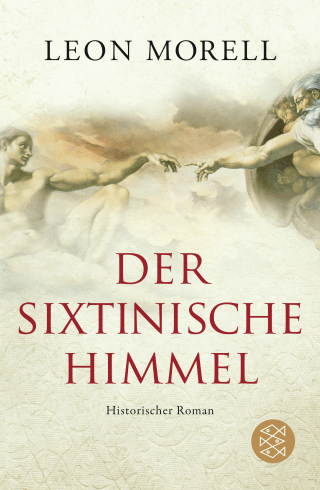
Bologna, 1508: the Renaissance. Art and culture are in full bloom. Eight-year-old Aurelio sees a marble angel in a Bologna church. Deeply impressed by its beauty, he decides he wants to become a sculptor.
In Rome awaits a world he has never known: the streets and squares are bustling with life, magnificent palaces and beautiful churches entrance the eye at every turn. But the city has its shady sides too: the Plague is raging and the streets are crowded with beggars and courtesans.
The boy is lucky – Michelangelo takes him on as an assistant in his workshop. He has just been commissioned by the Pope to repaint the ceiling of the Sistine Chapel. The sculptor gets to work reluctantly, preferring to work with marble. But the further the fresco proceeds, the more energy it drains from the master. For he is working in a secret location by night, creating a white marble sculpture of the woman who ought not to exist: the Pope’s courtesan.